Industrial Energy Savings    

Oil & Gas

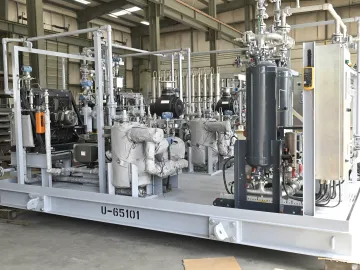
Compressed Air Best Practices® interviewed Mr. Sid Van der Meer and Mr. Terry Nickel from Northwest Equipment Ltd in Airdrie, Canada.
Refining Efficiency ConocoPhillips continually strives to improve the energy efficiency of our refineries. This accomplishes three goals: 1. Reducing our energy consumption in the form of electricity, natural gas, refinery gas and steam. 2. Improving the GHG impact of our operations. 3. Reducing our operating costs.  
In 2008, our operations consumed approximately 1.5 billion gigajoules of energy. By applying new energy-efficient technologies, we use less energy to run our business, extend the life of the world’s energy reserves, and reduce GHG emissions. Since 2004, we have invested more than $1.5 billion in activities to increase energy efficiency and reduce GHG emissions.
At Anadarko, we are keenly aware that greenhouse gas (GHG) emissions - particularly carbon dioxide (CO2) and methane (CH4) - have emerged as a specific concern. We continually look for innovative ways to minimize the overall environmental impacts of our activities, including reducing GHG emissions.
The Compressed Air Challenge® (CAC) is a voluntary collaboration of industrial users; manufacturers, distributors and their associations; consultants; state research and development agencies; energy efficiency organizations; and utilities. This group has one purpose in mind - helping you enjoy the benefits of improved performance of your compressed air system. The mission of the Compressed Air Challenge (CAC) is to provide resources that educate industrial users about optimizing their compressed air systems.
This refinery currently spends $735,757 annually on the electricity required to operate the compressed air system at its plant. The group of projects recommended in the system assessment will reduce these energy costs by an estimated $364,211 (49% of current use). Estimated costs for completing the recommended projects total $435,800. This figure represents a simple payback period of 14.4 months. The firm also reduced compressed air demand by 732 scfm allowing them to save $441,544 by down-sizing the back-up rental diesel air compressors.
There are many applications which require a low horsepower compressor built with the technology that has been proven in larger compressors. Often these situations are not addressed well by the general compressor industry.  
Compressed Air Best Practices Magazine interviewed Sid Van der Meer (President) and Terry Nickel (Office Manager) of the Northwest Equipment Company.