
Industrial applications account for 37% of global energy consumption and 24% of CO2 emissions. As climate change worsens, industries must adopt solutions that maximize energy efficiency and reduce emissions. While renewable energy sources like solar and wind are essential, they alone cannot solve the issue. The Intergovernmental Panel on Climate Change states that carbon emissions must decrease by 43% by 2030 to prevent irreversible climate impacts. To achieve this, improving the efficiency of existing systems is key.
The steel industry, for example, produces one of the most significant materials for engineering and construction, yet is also among the biggest producers of carbon emissions. As demand for steel grows, decarbonizing the industry becomes increasingly important for accelerating the transition to clean energy.
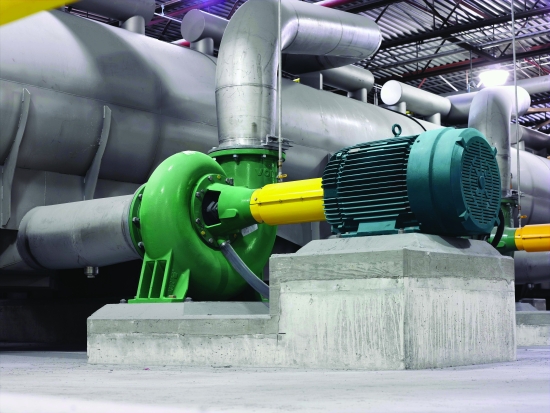
A core element of industrial decarbonization is replacing gas- and diesel-powered turbines and motors with electric motors. Electric motors have been integral in industrial operations for over 150 years, powering a vast range of applications, including air compressors, pumps, fans and conveyors, which are essential in manufacturing, HVACR and water treatment. However, just like with wind and solar, the move from gas and diesel to electric is not an immediate solution. By replacing older, less efficient motors currently in operation with new, high-efficiency models, we can reduce energy consumption and costs now, with the potential for financial return in as little as a few years.
Improving Industrial Efficiency with Electric Motors and VSDs
Approximately 70% of electricity consumed by industries is used by electric motor systems. While electric motors play a crucial role in industrial systems, many of the 300 million motors in use worldwide are inefficient, resulting in substantial energy waste.
When paired with variable speed drives (VSDs), electric motors present an even greater opportunity to reduce energy consumption and CO2 emissions. Drives control motor speed by adjusting the frequency and voltage of the power supply, allowing the motor to operate at precisely the required speed. This optimization ensures energy efficiency by aligning power use with real-time demand.
The energy efficiency of motors and drives has improved in recent years, with modern systems offering higher efficiency than older designs. These improvements translate into lower energy costs and minimized environmental impact, making investments highly beneficial for businesses looking to meet sustainability goals. Research suggests if all outdated motors were replaced with high-efficiency models, global electricity consumption could be reduced by as much as 10%, contributing to the global reduction of greenhouse gas emissions needed to meet climate targets.
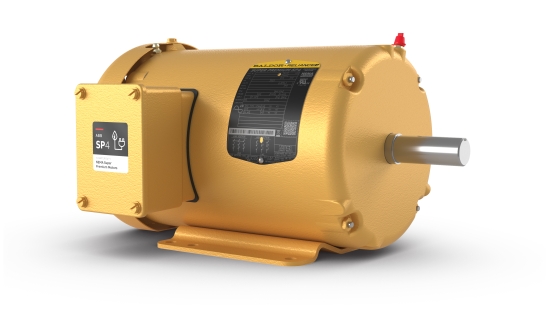
Heavy industry depends on powerful motors and drives to keep air compressors, pumps, fans and belts running. These motor-driven systems, which convert 45% of the world’s electricity into motion, present an opportunity for addressing climate impacts. Industrial motors that meet the highest standards for energy efficiency hold promise in reducing energy consumption, leading to reductions in greenhouse gas emissions associated with electricity usage across industrial facilities. For instance, high-efficiency induction and synchronous reluctance motors paired with variable speed drives offer superior efficiency, translating to lower energy demand and a smaller environmental footprint for heavy industry operations.
Financial Incentives for Businesses
The transition to high-efficiency motors and drives also presents a strong financial case for businesses. While the initial investment in energy-efficient equipment may seem high, the payback period is typically short due to significant energy savings. The return on investment is even greater during periods of high energy prices, as the savings from reduced energy consumption offset the upfront costs. For industries looking to optimize energy use while contributing to global decarbonization efforts, upgrading to modern motor and drive systems offers a compelling business case.
The financial incentives for rapid uptake of energy-efficient systems can be hindered by fluctuating energy prices and competing investment opportunities. Despite these challenges, the long-term benefits of energy efficiency – reduced operating costs, lower emissions and improved sustainability – make investments in motors and drives an attractive proposition for companies.
Meeting Industrial Decarbonization Goals
Decarbonizing industry is a complex global challenge that requires innovation, collaboration and technological advancements. No single solution will transform industries, but a combination of strategies – including the adoption of energy-efficient motors and drives – will reduce industrial emissions and energy consumption.
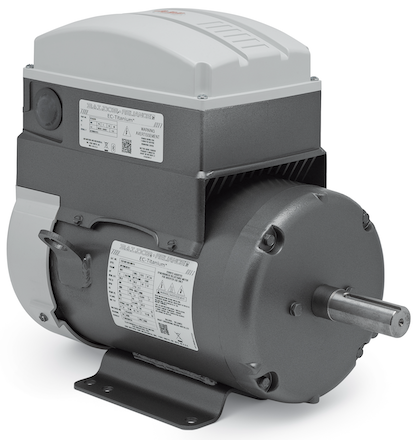
The transition to a decarbonized economy requires the widespread adoption of energy-efficient technologies, and electric motors and drives are key to this transformation. By reducing energy consumption, cutting emissions and optimizing industrial operations, these systems play a critical role in decarbonizing industries worldwide. The adoption of high-efficiency motors, VSDs and intelligent energy management solutions offers a pathway to a more sustainable future – one where economic growth and environmental protection go hand in hand.

About the Author
Bevan Christiansen is the Segment Manager for Air Handling & HVAC at ABB's NEMA Motors Division. With 20 years of experience at ABB, he brings a strong background in mechanical design engineering.
About ABB
ABB is a technology leader in electrification and automation, enabling a more sustainable and resource-efficient future. The company’s solutions connect engineering know-how and software to optimize how things are manufactured, moved, powered and operated. Building on more than 140 years of excellence, the company’s more than 105,000 employees are committed to driving innovations that accelerate industrial transformation. For more information, visit https://global.abb.
To read articles on Energy Management, visit https://www.airbestpractices.com/standards/energy-management.
For expert presentations, visit our Webinar Archive Section dedicated to Energy Management at https://www.airbestpractices.com/webinars.
